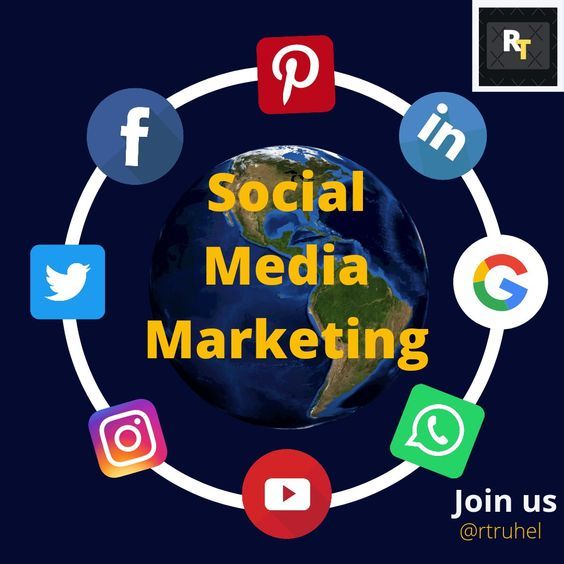
In today’s world, social media is not just for sharing photos or chatting with friends. It has become one of the most powerful tools for businesses to grow. Whether you run a small shop, a startup, or a service business, Social Media Marketing: Best Platforms For Small Businesses can help you reach more people, build your brand, and increase sales.
The best part is that social media platforms are easy to use, affordable, and suitable for all types of businesses. However, not all platforms work the same. Some are better for visual content, some for professional services, and others for local reach.
In this article, we will discuss Social Media Marketing: Best Platforms for Small Businesses, and how each platform can help you grow.
Why Social Media Marketing: Best Platforms for Small Businesses
Before we talk about the best platforms, let’s understand why social media is so important:
Low-cost marketing: You don’t need a big budget to start.
Wider reach: You can connect with people in your area or even worldwide.
Customer engagement: You can talk directly to customers through comments, messages, and posts.
Brand awareness: Regular posts keep your business in people’s minds.
Sales growth: With ads and promotions, you can quickly increase sales.
For small businesses, social media is a smart and affordable way to compete with bigger brands.
1. Facebook – Best for Local and Community Reach
Facebook is one of the most popular platforms, and it works very well for small businesses. With over 3 billion users worldwide, it gives you a chance to reach almost anyone.
Why Facebook is good for small businesses:
You can create a business page for free.
Local customers can find you through Facebook search and maps.
Facebook ads allow you to target specific people based on location, age, or interest.
Groups and communities help you connect with people who are interested in your business.
For example, a small bakery can post daily pictures of cakes, run a local ad, and get more walk-in customers.
2. Instagram – Best for Visual Marketing

Instagram is perfect for businesses that rely on pictures and videos to attract customers. It is especially good for industries like fashion, food, travel, beauty, and lifestyle.
Why Instagram is good for small businesses:
High-quality photos and short videos grab attention quickly.
Features like stories and reels help you reach more people.
You can use hashtags to connect with a larger audience.
Instagram shopping allows customers to buy products directly from the app.
For example, a clothing store can post outfit ideas, use reels for styling tips, and add a shop button for easy buying.
3. LinkedIn – Best for Professional Services and B2B
If your business targets professionals or other businesses, LinkedIn is the right place. It is not about casual posts, but about building trust and authority.
Why LinkedIn is good for small businesses:
It connects you with professionals, decision-makers, and companies.
You can share industry news, tips, and updates to build your brand.
LinkedIn ads are powerful for reaching a professional audience.
It’s great for service providers like consultants, agencies, or software companies.
For example, a digital marketing consultant can post case studies, client success stories, and useful tips to attract clients.
4. YouTube – Best for Video Marketing
YouTube is the second-largest search engine after Google. People use it to watch tutorials, reviews, and entertainment. For small businesses, YouTube is a great way to educate and connect with customers.
Why YouTube is good for small businesses:
Videos build strong trust with the audience.
You can explain products in detail through tutorials or demos.
YouTube ads help you reach your target audience.
Videos stay online for a long time and keep bringing views.
For example, a fitness trainer can share workout videos, tips for a healthy lifestyle, and promote online training programs.
5. TikTok – Best for Creative and Viral Content
TikTok has quickly become one of the fastest-growing platforms. It’s perfect for businesses that can create short, fun, and engaging videos.
Why TikTok is good for small businesses:
Short videos have high chances of going viral.
It is popular among younger audiences.
Creative trends and challenges make marketing fun.
Businesses can show behind-the-scenes content, tutorials, or product demos.
For example, a café can share short videos of coffee-making, fun challenges with customers, or quick recipes.
6. Twitter (Now X) – Best for Quick Updates and Trends
Twitter (now called X) is useful for businesses that want to share quick updates, news, or engage in trending topics.
Why Twitter is good for small businesses:
Easy way to share instant updates.
Helps in customer support through direct replies.
Good for building brand voice and personality.
Hashtags help you join trending conversations.
For example, a tech company can share product updates, industry news, or respond quickly to customer questions.
7. Pinterest – Best for Lifestyle and Creative Businesses
Pinterest is a visual platform where people search for ideas, inspiration, and shopping. It is very popular in niches like home décor, fashion, recipes, crafts, and events.
Why Pinterest is good for small businesses:
Pins and boards can bring long-term traffic.
Great for businesses selling creative products.
Users often visit Pinterest before buying products.
It works like a visual search engine.
For example, a wedding planner can create boards with décor ideas, dress inspirations, and tips to attract clients.
How to Choose the Best Platform for Your Business
Not every platform is right for every business. The best approach is to choose 2–3 platforms where your target customers spend the most time.
Ask yourself:
Where do my customers hang out online?
What type of content can I create easily—photos, videos, blogs, or professional updates?
Do I want to reach local people, global customers, or professionals?
This will help you focus your time and effort for the best results.
Tips for Successful Social Media Marketing
Post regularly to stay visible.
Use high-quality photos, videos, and designs.
Engage with your audience by replying to comments and messages.
Run small ads to test what works.
Track your results and improve your strategy.
Conclusion
Social media marketing is one of the most powerful tools for small businesses in 2025. Platforms like Facebook, Instagram, LinkedIn, YouTube, TikTok, Twitter, and Pinterest offer unique ways to connect with customers, build a brand, and increase sales.
The key is to choose the right platform based on your business type and audience. By staying active, creating engaging content, and using smart strategies, small businesses can compete with larger brands and grow faster.
The future of business growth is online, and social media is the bridge that connects small businesses to customers worldwide.
People Also Read: Why Small Businesses Need Digital Marketing in 2025